

Crawl access
Check robots rules, indexability, sitemap health, and whether important public pages can be discovered by search systems.
AI search optimization helps your business show up with clearer, more useful information across traditional search, ChatGPT Search, Bing and Copilot experiences, and other answer-driven discovery paths.
The work is not about tricks. It is about crawlable pages, accurate content, useful answers, clean technical SEO, and trust signals that make sense to both people and machines.
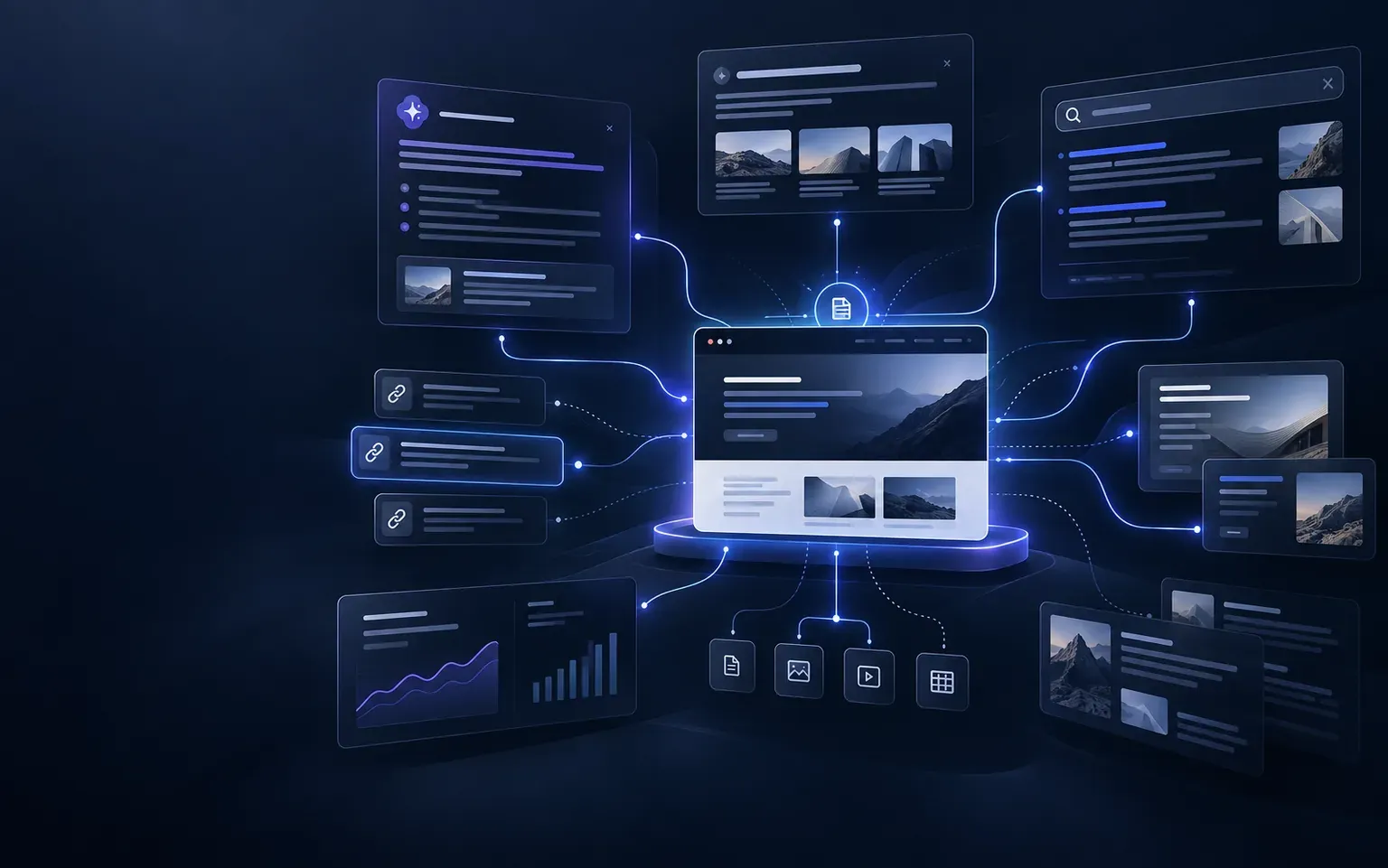
Being understood by search and AI systems is only the first step. The post-click experience has to carry the momentum.
Use your current rate to see how much opportunity may sit behind the conversion gap.
How many people visit your website in a typical month?
Website conversion rate is the percentage of visitors who call, book, request an estimate, or submit a lead form.
The percentage of visitors who call, book, request an estimate, or submit a qualified lead.
Use the typical revenue from one new customer or job — not lifetime value.
Of the qualified leads you receive, roughly how many become paying customers?
Of the customers you miss, roughly how many eventually hire another provider?
Search assistants need accessible, accurate, well-structured information before they can summarize or cite anything useful. That means the strongest AI search work often looks like excellent technical SEO, clear content strategy, and careful trust-building.
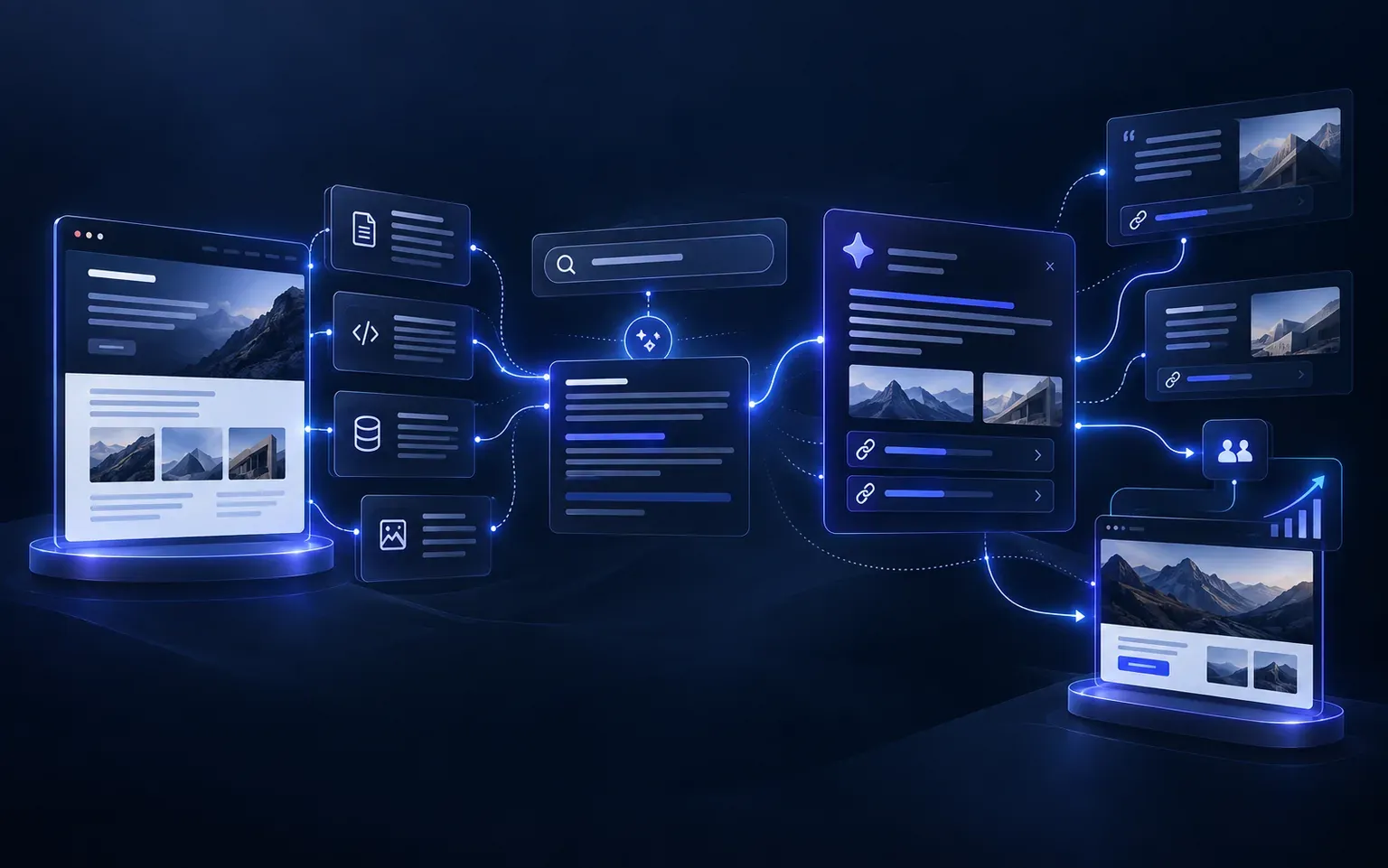
OpenAI documents OAI-SearchBot for ChatGPT search discovery separately from GPTBot training controls. Bing says SEO fundamentals still support eligibility for AI and grounding experiences. Google says Google Search AI features are managed through normal Googlebot crawling, while Google-Extended is a separate control for other Gemini-related uses.
Cielle focuses on durable improvements that also make the website better for real customers.
Check robots rules, indexability, sitemap health, and whether important public pages can be discovered by search systems.
Make it easy to understand the business name, services, audience, locations served, founder, pricing context, and proof.
Write useful sections that directly answer buyer questions, then support those answers with detail, limitations, and next steps.
Add truthful Organization, Service, Website, and Breadcrumb schema where it matches visible page content.
Keep pages fast, accessible, mobile-friendly, internally linked, and rendered as crawlable HTML wherever possible.
Prepare Search Console, Bing Webmaster Tools, AI-referral review, and form/CTA conversion tracking recommendations.
A credible strategy protects the business from hype, spam, and false claims.
No one can guarantee that ChatGPT, Google AI features, Bing Copilot, or any answer engine will cite a page.
The strongest pages are still written for people first, with clear information architecture and trustworthy details.
Reviews, case studies, locations, awards, and statistics should only appear when they are real and verifiable.
The process is designed to improve discovery, relevance, trust, conversion, and measurement without bloating the site.
Review the website, indexable pages, sitemap, robots.txt, schema, page intent, service structure, and current search foundations.
Clarify what the business does, who it serves, what proof exists, how services are packaged, and which pages should answer which buyer questions.
Improve page copy, internal links, metadata, structured data, crawl rules, technical SEO, and page templates without adding unnecessary scripts or thin pages.
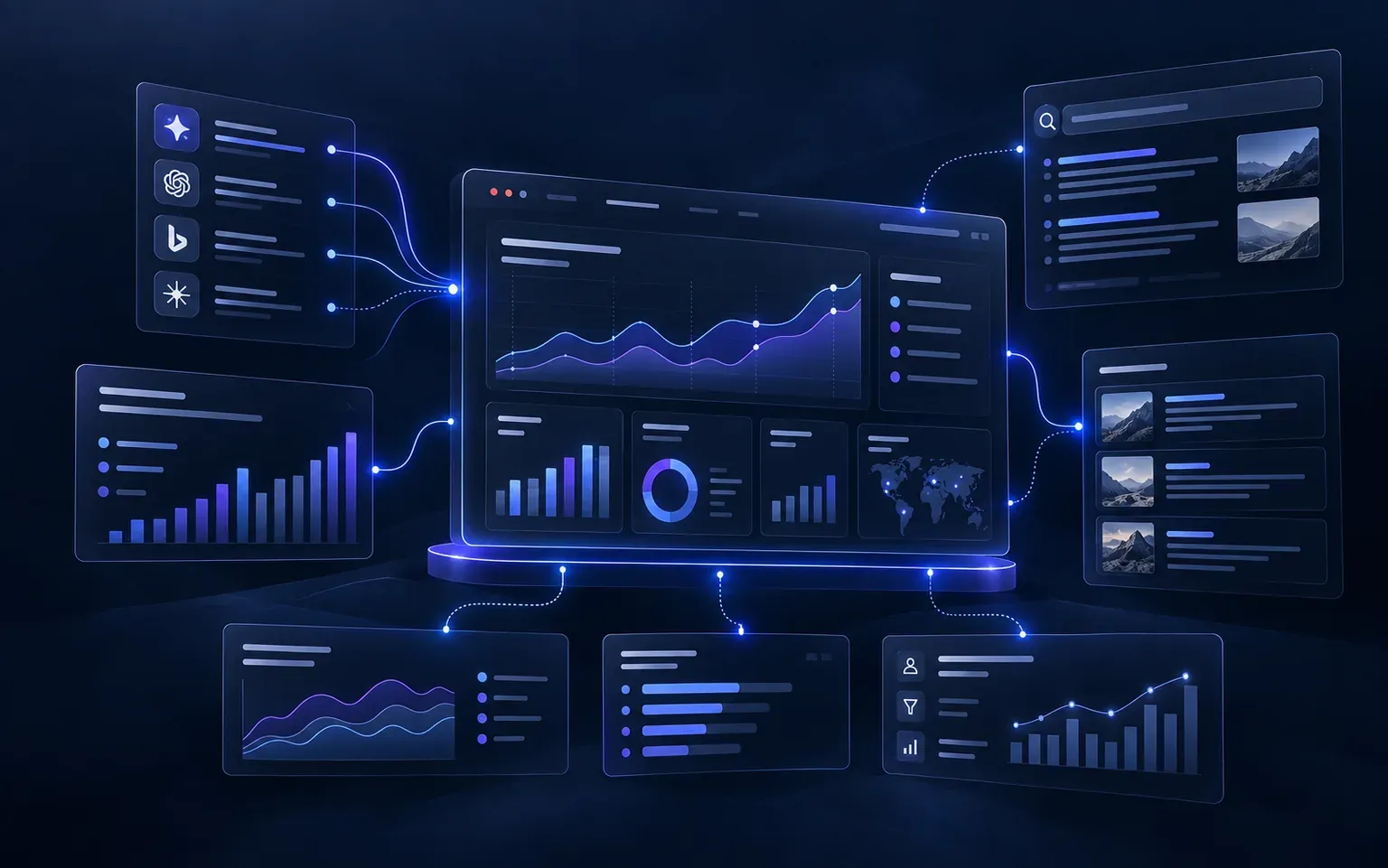
Document what to watch in Google Search Console, Bing Webmaster Tools, analytics, form events, and identifiable AI or referral traffic.
No. AI search systems choose sources using their own crawling, indexing, ranking, retrieval, and safety processes. Cielle focuses on the parts a website can responsibly control: accessibility, clarity, trust, technical quality, and useful content.
It builds on SEO. AI search still depends heavily on crawlable pages, strong content, clear entities, internal links, technical health, and trustworthy signals. The difference is that pages also need to answer questions clearly enough to be useful as a cited or summarized source.
Not as a default requirement. Current practical work should prioritize robots access, sitemaps, indexable HTML, helpful content, schema, and measurement before adding experimental files.
That is a business decision. Search-discovery crawlers and training crawlers can have different purposes. For example, OpenAI documents OAI-SearchBot for ChatGPT search discovery separately from GPTBot for training controls.
It is most useful for service businesses where customers ask comparison, pricing, local, process, or trust questions before contacting a provider.
Tell us about your business, current website, and visibility goals. Cielle will review the search foundations and recommend practical next steps.